Resilient Landscapes and Societies
Analysis of landscape, social and cultural factors to propose strategic management actions, to create landscapes and societies adapted to wildfires
‘Ramats de Foc‘
During 2025, the Ramats de Foc (Flocks of Fire) project, which promotes prescribed silvopastoral grazing in strategic areas for wildfire prevention, placed particular emphasis on promoting products carrying the Ramats de Foc label through various activities. In addition, the project team carried out activities to support and preserve extensive livestock farming as a tool for wildfire risk management across several of the Foundation’s projects.
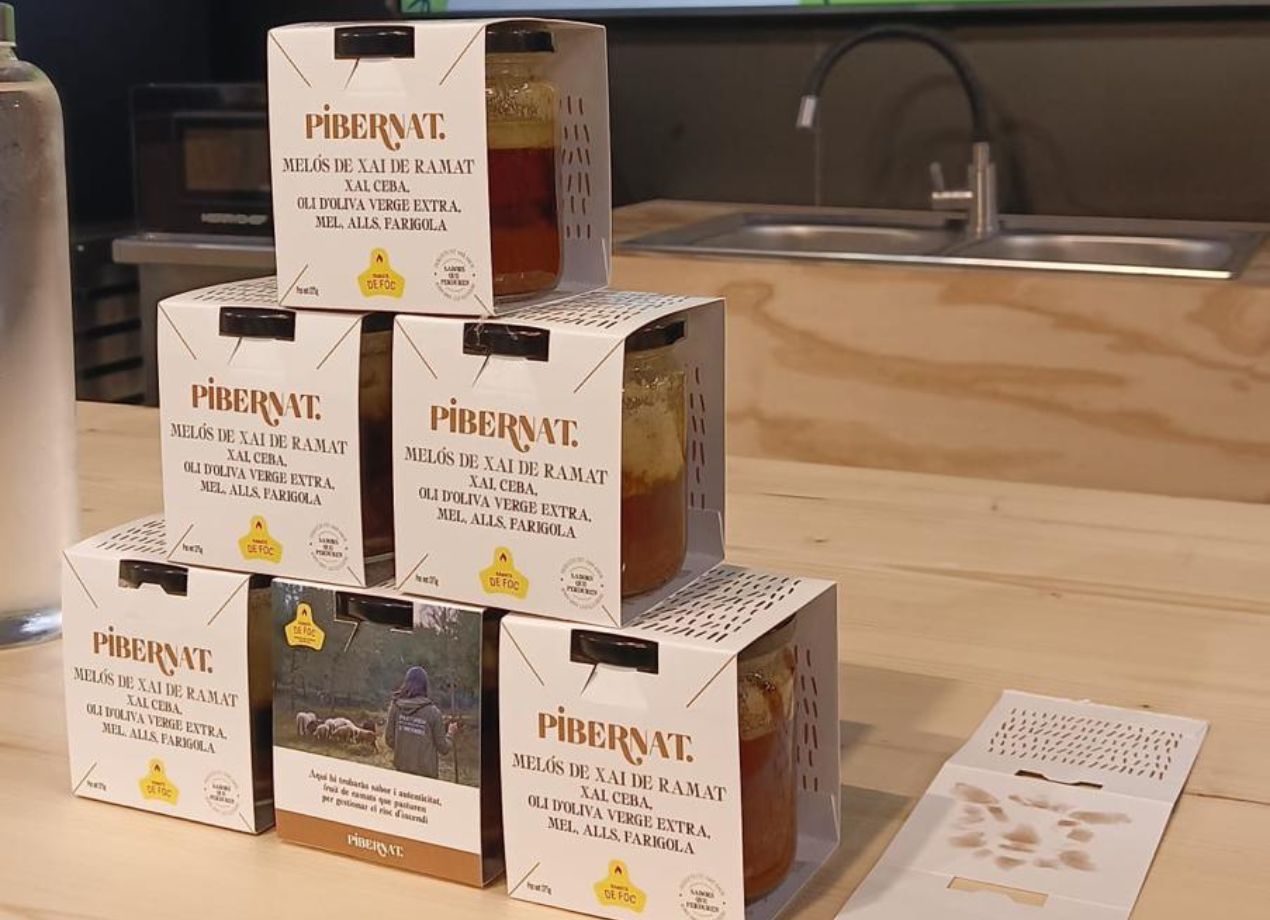
In 2025, we received funding through the Som Gastronomia programme (Government of Catalonia), within the framework of Catalonia’s recognition as World Region of Gastronomy 2025, to carry out activities promoting Ramats de Foc products. Specifically, we took part in the Làctium and Fira de la Transhumància de Mollet de Peralada fairs, where cheese tastings featuring products from livestock farmers involved in the project were offered. We also published a Ramats de Foc dairy products catalogue; took part in organising the Landscape Festival in Cantallops (Alt Empordà), where we presented Ramats de Foc and offered a tasting of its products; launched a collaboration with Pibernat to market a preserved slow-cooked lamb dish; and organised Ramats de Foc a Taula, an initiative bringing Ramats de Foc-labelled products to restaurants in La Garrotxa and neighbouring regions. This initiative fostered collaboration between livestock farmers and restaurant owners to incorporate local products into participating restaurants’ menus.
Additionally, through the Foundation, the Ramats de Foc team continued working on the PREPAST and RUMIAR projects, funded by the Biodiversity Foundation. PREPAST focused on promoting extensive livestock farming in the Pre-Pyrenees of Lleida. Specifically, the Ramats de Foc team worked on restoring livestock infrastructure, such as pens and watering points, and encouraged the incorporation of new livestock farmers in the Montsec and Boumort areas. RUMIAR aimed to create a mosaic landscape combining agricultural and forest areas in the Prades Mountains (Tarragona), while also boosting the local economy through forest resources. Within this project, we contributed to strengthening the local livestock sector by promoting extensive livestock farming and encouraging the production and consumption of local products.
We also launched the project Scientific and technical support for the design of a payment programme for the conservation
of ecosystem services (PPSE) through extensive livestock farming in Catalonia, funded by FECYT, which aims to provide scientific and technical rigour to the proposal that the Government of Catalonia’s Department of Territory, Housing and Ecological Transition intends to promote. The initiative envisages financially compensating livestock farmers for the conservation of ecosystem services through extensive livestock farming. Its objective is to identify the payment models and governance systems that would work best to ensure that such a policy is effective and well received by the sector.
With support from the Alberto II of Monaco Foundation’s Humanity–Wildlife Initiative, the Ramats de Foc team also worked in two natural areas, Alta Garrotxa and the Montnegre-Corredor Range, with the aim of making grazing activities in strategic areas for wildfire management compatible with the conservation of threatened plant species. The project also produced the leaflet Can grazing take place where protected flora is present?, aimed at public administration technicians and livestock farmers.
As part of its outreach activities, we published the article What should pastures look like to obtain prescribed silvopastoral grazing certification? to help livestock farmers assess whether their grazing practices meet the requirements for certification or whether management adjustments are needed to ensure their practices are suitable when applying for grazing-related subsidies.
Finally, the Ramats de Foc team took part in numerous events, fairs and technical workshops (follow our activity on X) to share knowledge and promote initiatives that contribute to preserving and strengthening extensive livestock farming.
Other projects and technical contracts
FIRE-SCENE
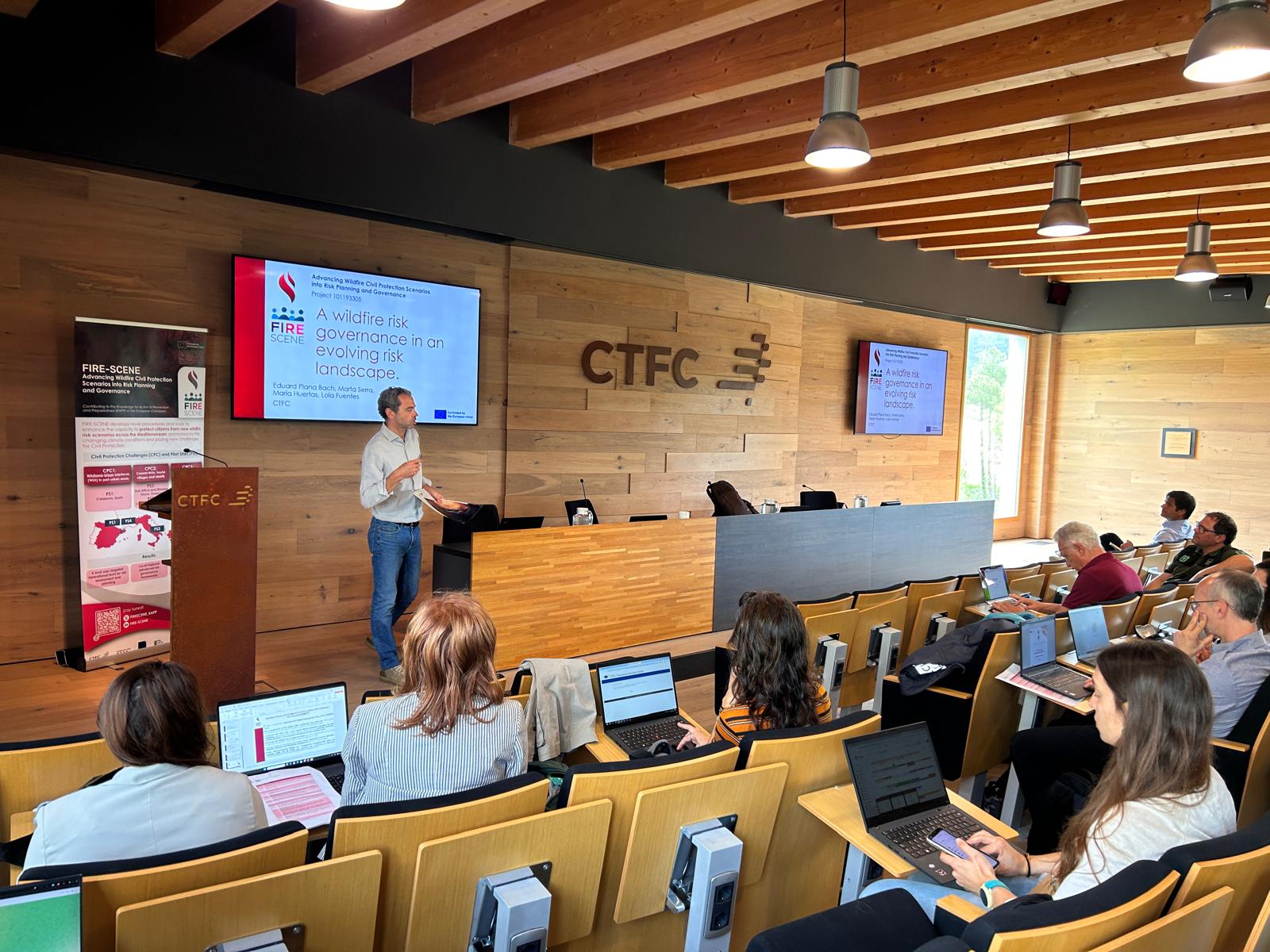
The FIRE-SCENE project – “Advancing wildfire Civil Protection scenarios into risk planning and governance” – was launched in January 2025. Its objective is to identify innovative solutions for wildfire risk management in areas with permanent and temporary populations, such as Wildland-Urban Interfaces (WUI), natural parks and recreational areas, enabling the different stakeholders involved to work together in a coordinated and coherent governance framework.
In June 2025, the first Exchange and Training Meeting (ETM) took place, promoting cross-sectoral learning and collaboration in wildfire risk management.
SparkleFire
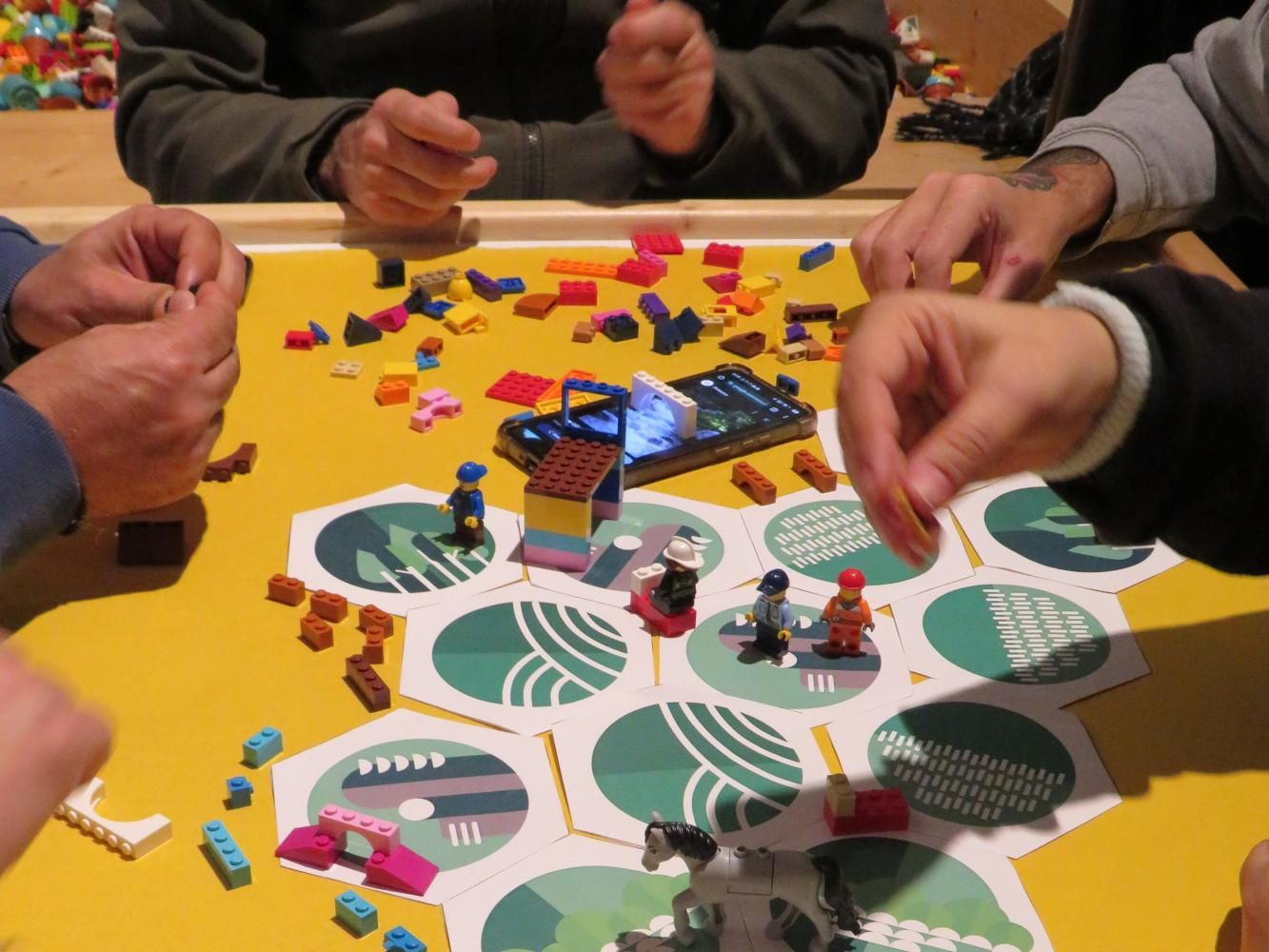
The SparkleFire: Using Fire Games and Play for Disaster Risk Reduction project was launched in February 2025. Over two years, SparkleFire will explore, design and implement games to raise awareness of wildfire risk across four European bioregions: Atlantic, Mediterranean, Central and Northern Europe.
The Pau Costa Foundation leads the development of a board game prototype adapted to the four bioregions, as well as the project’s communication, dissemination and exploitation activities, ensuring that its results reach relevant audiences.
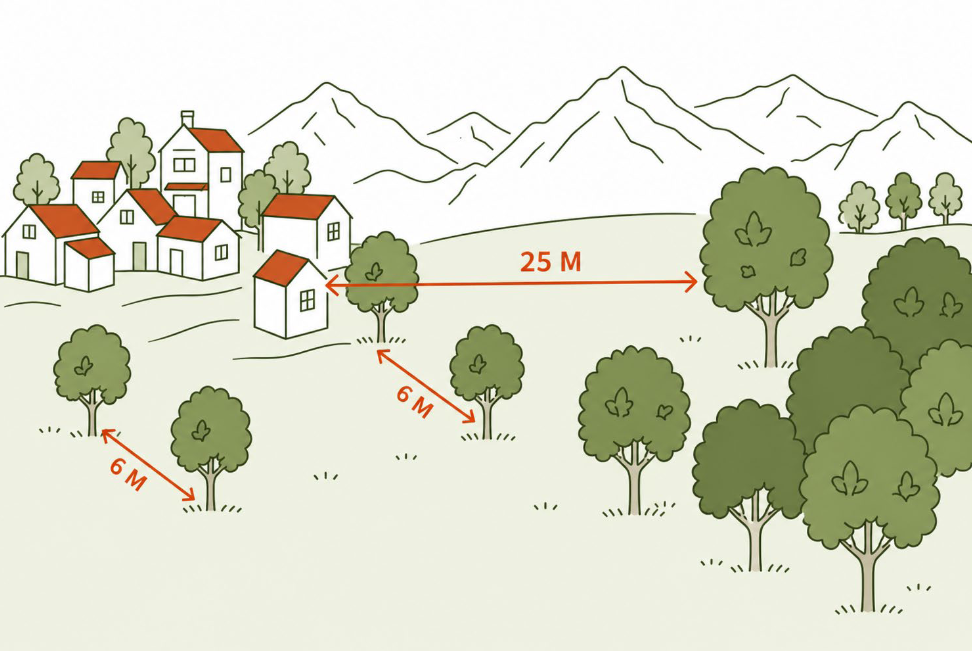
Methodological Guide for Wildfire Protection and Technical Recommendations for Fuel Management in the Wildland-Urban Interface (WUI)
Period: 2025-2026
Funding: MITECO
The purpose of this contract is to develop a methodological guide for wildfire protection in the Wildland-Urban Interface (WUI). The document will build on and update the basic study published in 2007, incorporating risk assessment and zoning in the WUI, the classification of different scenarios, and guidance for preventive planning.
In particular, the methodological guide will be complemented by technical recommendations for fuel management in these areas, aimed at both the general public and local authorities, and addressing wildfire risk awareness.
‘Foc i Biodiversitat’ at the Alta Garrotxa
Period: 2024-2028
Funding: Fons de Patrimoni Natural (Generalitat de Catalunya)
Coordination: Pau Costa Foundation
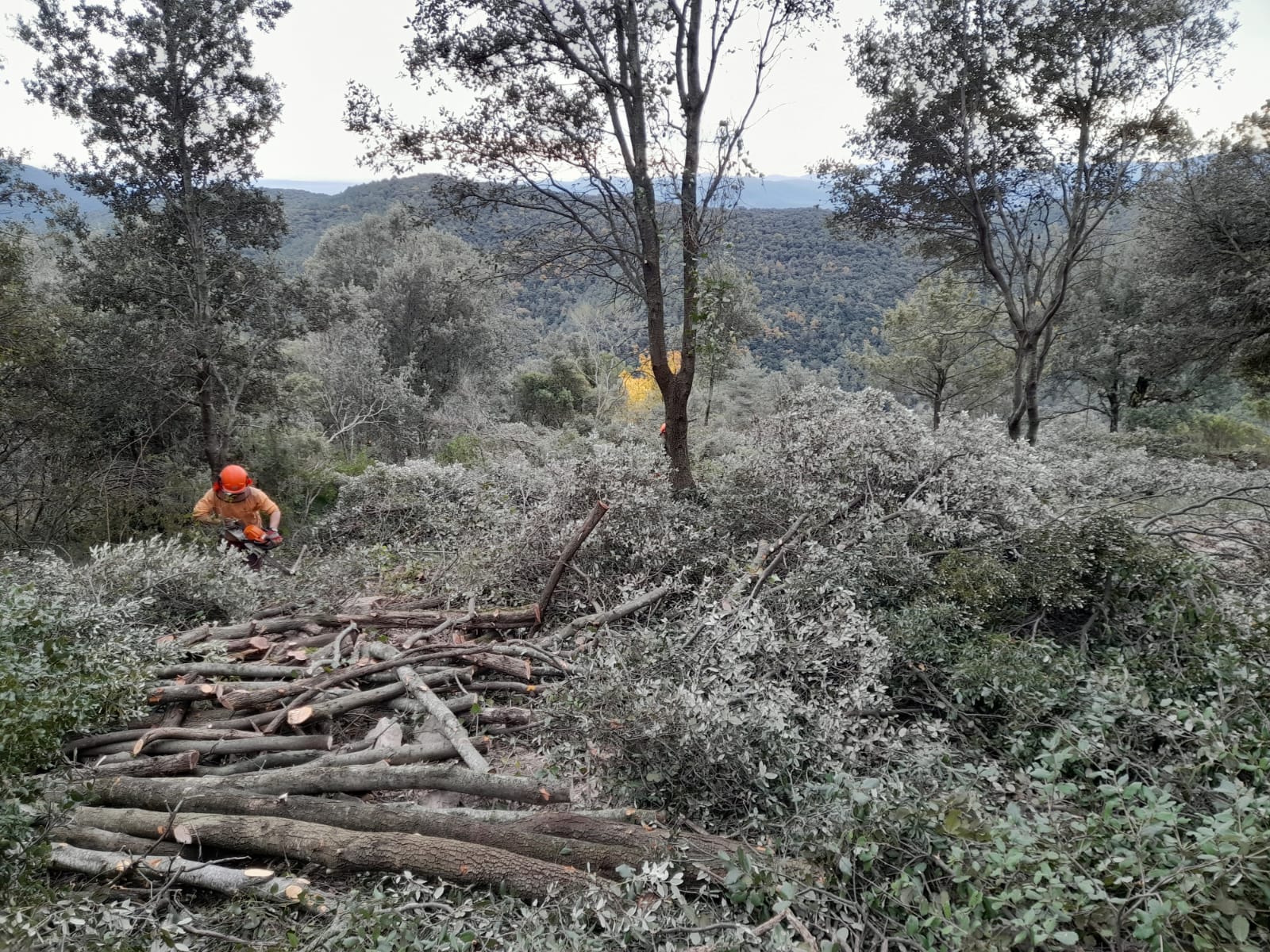
The Alta Garrotxa natural area is vulnerable to wildfires due to the effects of climate change, abundant vegetation and complex topography. To address these challenges, the Foc i Biodiversitat project aims to strengthen the socio-ecological resilience of this valuable ecosystem through sustainable management practices that contribute to wildfire prevention and biodiversity conservation.
In 2025, we convened the second meeting of the project’s Governance Board and carried out forestry management work at the Palomeres estate, among other activities aimed at strengthening community cohesion and making progress on the project’s planned outputs.
FIREPRIME
Period: 2024-2026
Funding: DG ECHO
Coordination: Universitat Politècnica de Catalunya (UPC)
Website: FIREPRIME
Wildfires are becoming an increasingly serious challenge across Europe, with unprecedented events causing extensive damage near settlements in the Wildland-Urban Interface (WUI).
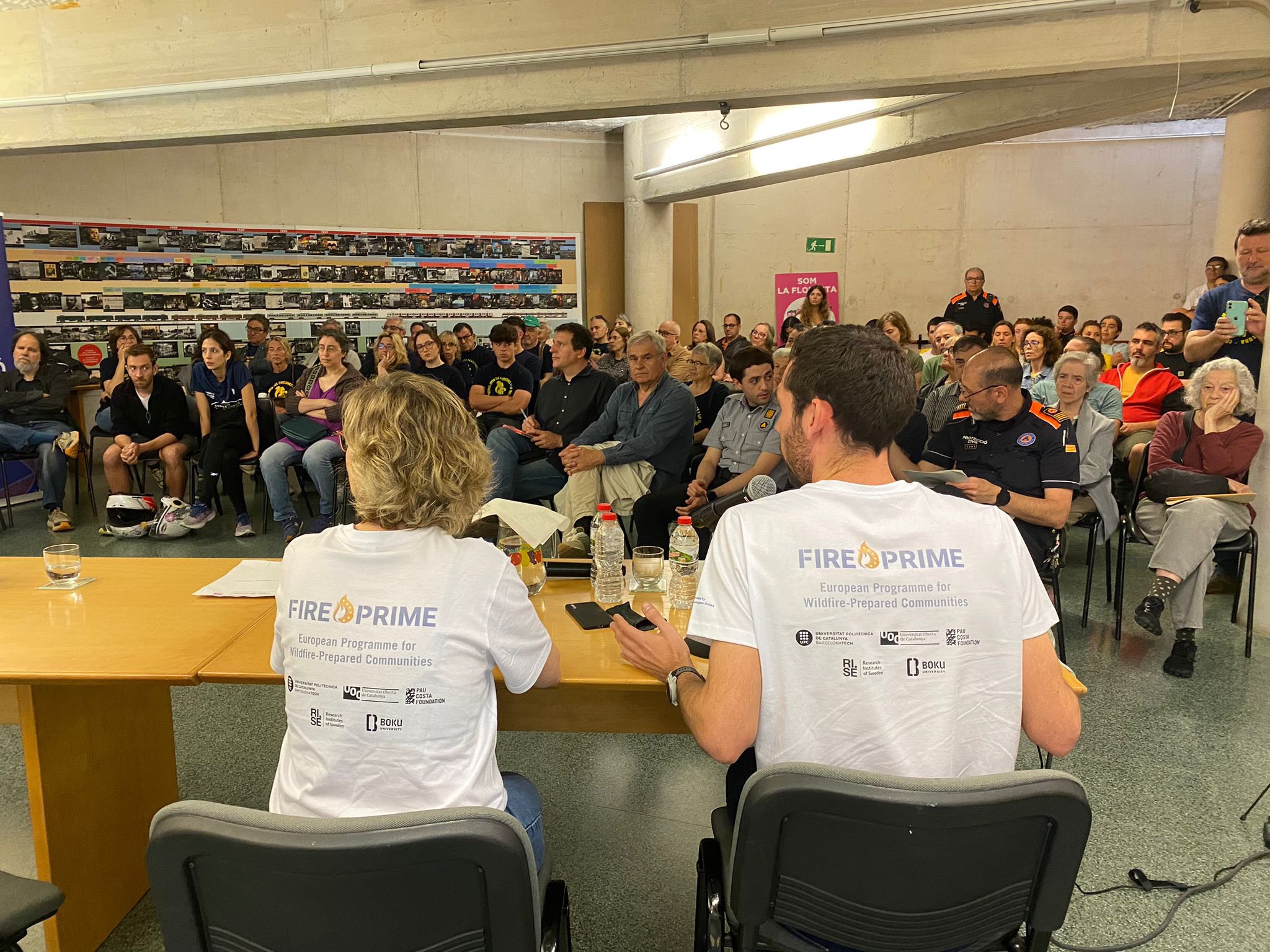
In 2025, a toolkit was developed, including a smartphone application, guides and educational materials, aimed at strengthening wildfire resilience across three key areas: households, communities and infrastructure. The project was tested in three European regions: Sant Cugat (Spain), Tyrol (Austria) and Gothenburg (Sweden).
FIREPRIME placed a strong emphasis on inclusion and collaboration with local stakeholders to ensure that the solutions developed addressed their diverse needs.
CARMINE
Period: 2024-2028
Funding: Interreg POCTEFA (UE)
Coordination : Administratia Nationala de Meteorologie
Website: CARMINE
The frequency and intensity of extreme weather and climate events associated with anthropogenic climate change are increasing, posing growing challenges for local adaptation strategies. CARMINE bridges local and regional scales by providing impact-based decision-support services and multilevel climate governance to support local adaptation, including both traditional and nature-based solutions.
The project’s overall objective is to help European metropolitan communities become more climate-resilient by co-producing knowledge-based tools, strategies and plans to strengthen adaptation and mitigation actions, in line with the EU Mission on Adaptation to Climate Change by 2030.
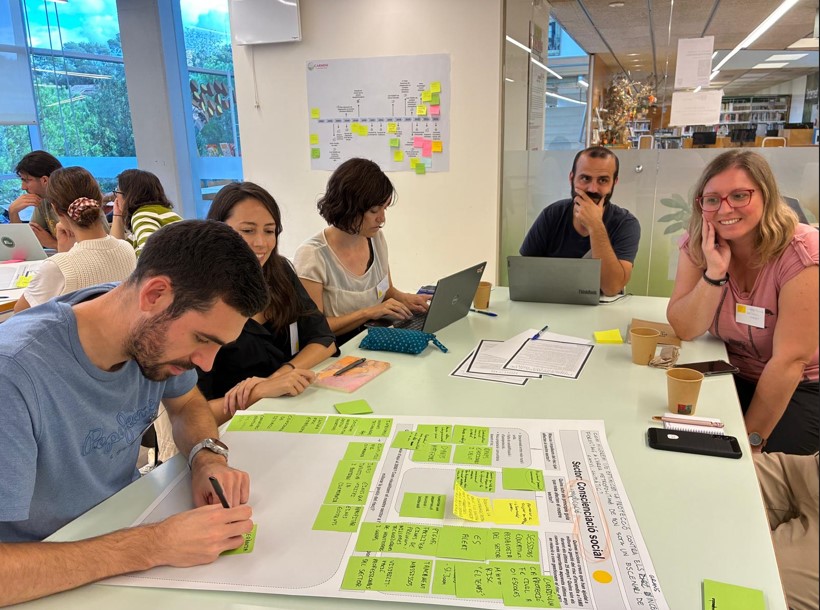
In 2025, we continued making progress on the Barcelona Living Lab case study, organising a new workshop with stakeholders to further advance the project’s work.
Desbosigem!
Period: 2024-2027
Funding: Interreg POCTEFA (UE)
Coordination: Centre de Formation Professionnelle et de Promotion Agricole Ariège Comminges
Website : Desbosiguem!
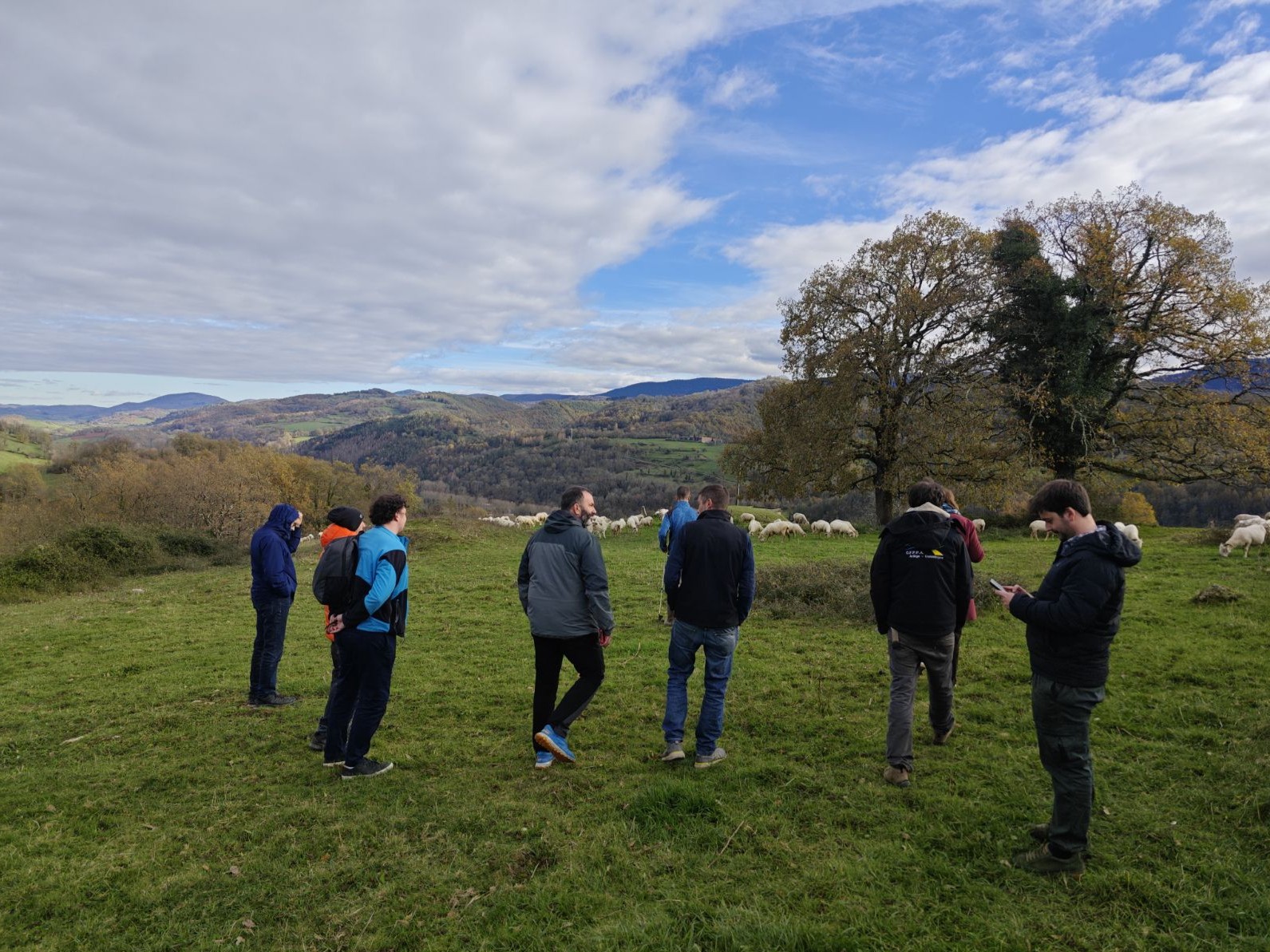
In the current context of climate change, the Pyrenees continue to face significant challenges in managing Wildland-Urban Interface (WUI) areas, particularly former agricultural plots that have since become overgrown with vegetation. The project is already underway and is providing comprehensive solutions to help those responsible for managing these areas (natural parks, public administrations and local residents) manage them sustainably, reducing wildfire risk and actively contributing to climate change adaptation. Since 2024, two fire simulation models have been developed and applied to help prioritise preventive measures, alongside two technical guides on the creation and maintenance of open spaces using techniques such as vegetation clearance, silvopastoralism and prescribed burning. Stakeholders from Catalonia, Andorra and Occitania—including natural parks, land managers, forestry schools and research institutes—are working together across several cross-border valleys in the Pyrenees. The Pau Costa Foundation and the Alt Pirineu Natural Park are leading the development of the park’s Wildfire Prevention Plan.
PREPAST
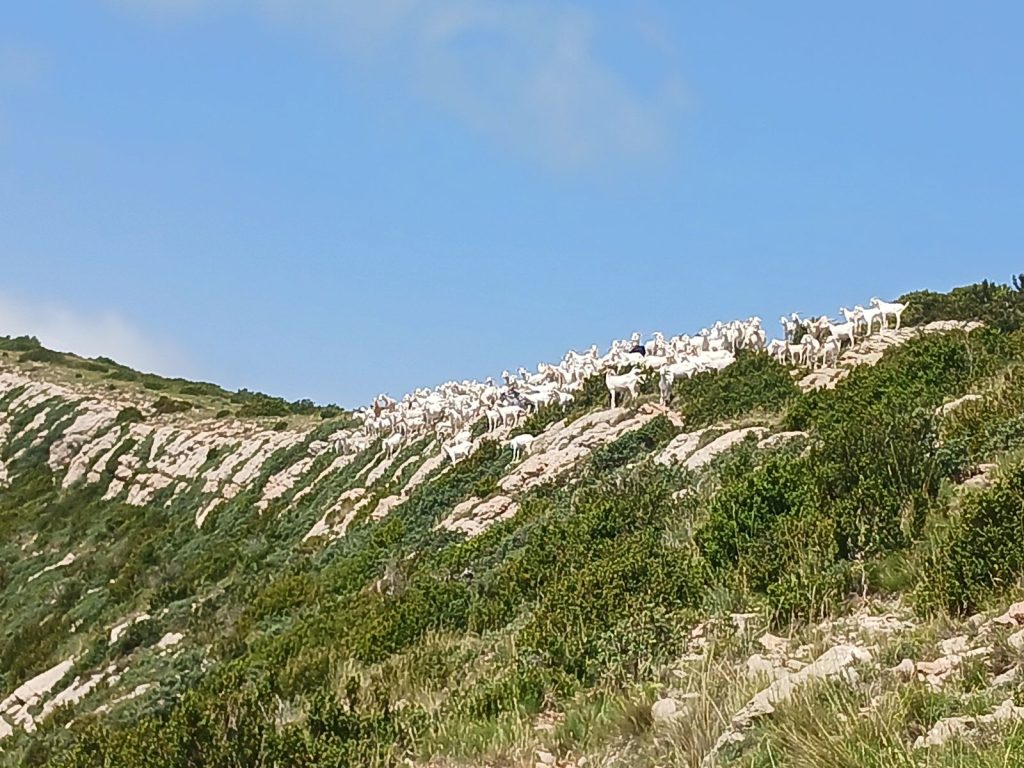
In 2025, the PREPAST project came to an end, having focused on restoring extensive grazing in the Pre-Pyrenees of Lleida, one of the least populated areas in north-eastern Spain. The project aimed to promote the local bioeconomy and ecological transition, while addressing rural depopulation and the gender gap. Throughout its two-year implementation, the project promoted eco-pastoral management, the restoration of livestock infrastructure and the creation of grazing areas based on ecosystem-based management criteria. These actions contributed to reducing wildfire risk, conserving biodiversity and maintaining mosaic landscapes. Among its key outputs, PREPAST produced a strategic eco-pastoral management guide, developed a participatory governance model and produced a series of educational videos highlighting the importance of extensive livestock farming.

RUMIAR
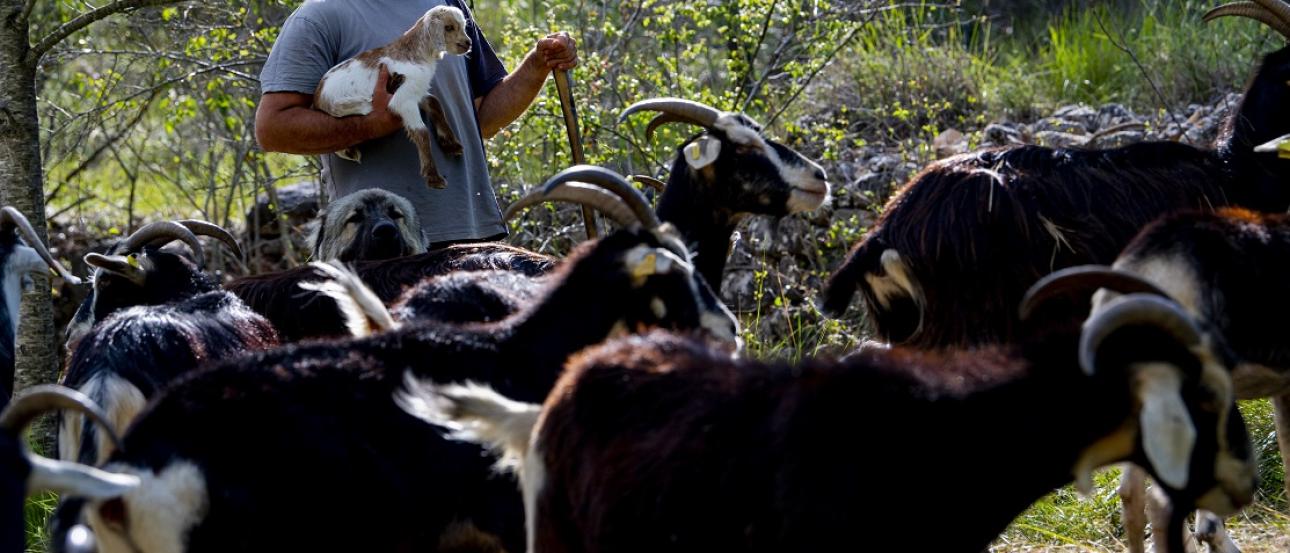
The RUMIAR project – Building Resilience to Large Wildfires in the Prades Mountains – came to an end in 2025, following two years of collaborative work to address the increasing wildfire risk resulting from climate change and rural abandonment.
The project helped restore and strengthen the agroforestry mosaic landscape in the Prades Mountains, comprising managed forests, cultivated fields and pastures that break up the continuity of forest fuels and help limit fire spread.
In total, management actions were carried out across more than 500 hectares, covering 11 strategic wildfire prevention areas in the Prades Mountains.

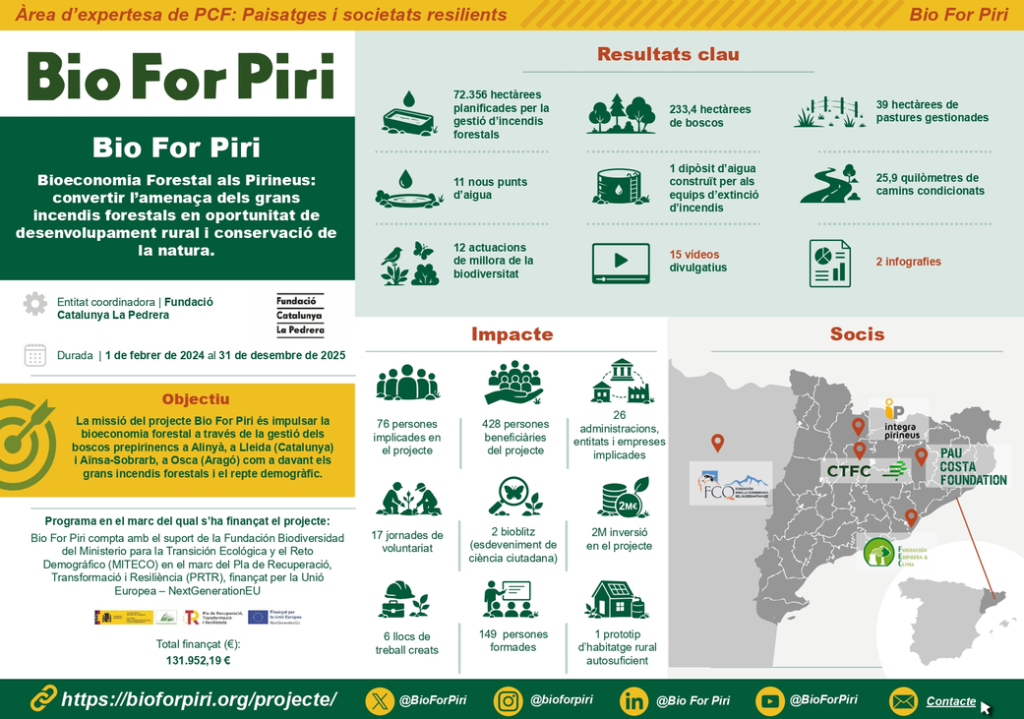
BIO FOR PIRI
Period: 2024-2025
Funding : Fundación Biodiversidad
Coordination : Fundació Catalunya La Pedrera
Website: BIO FOR PIRI
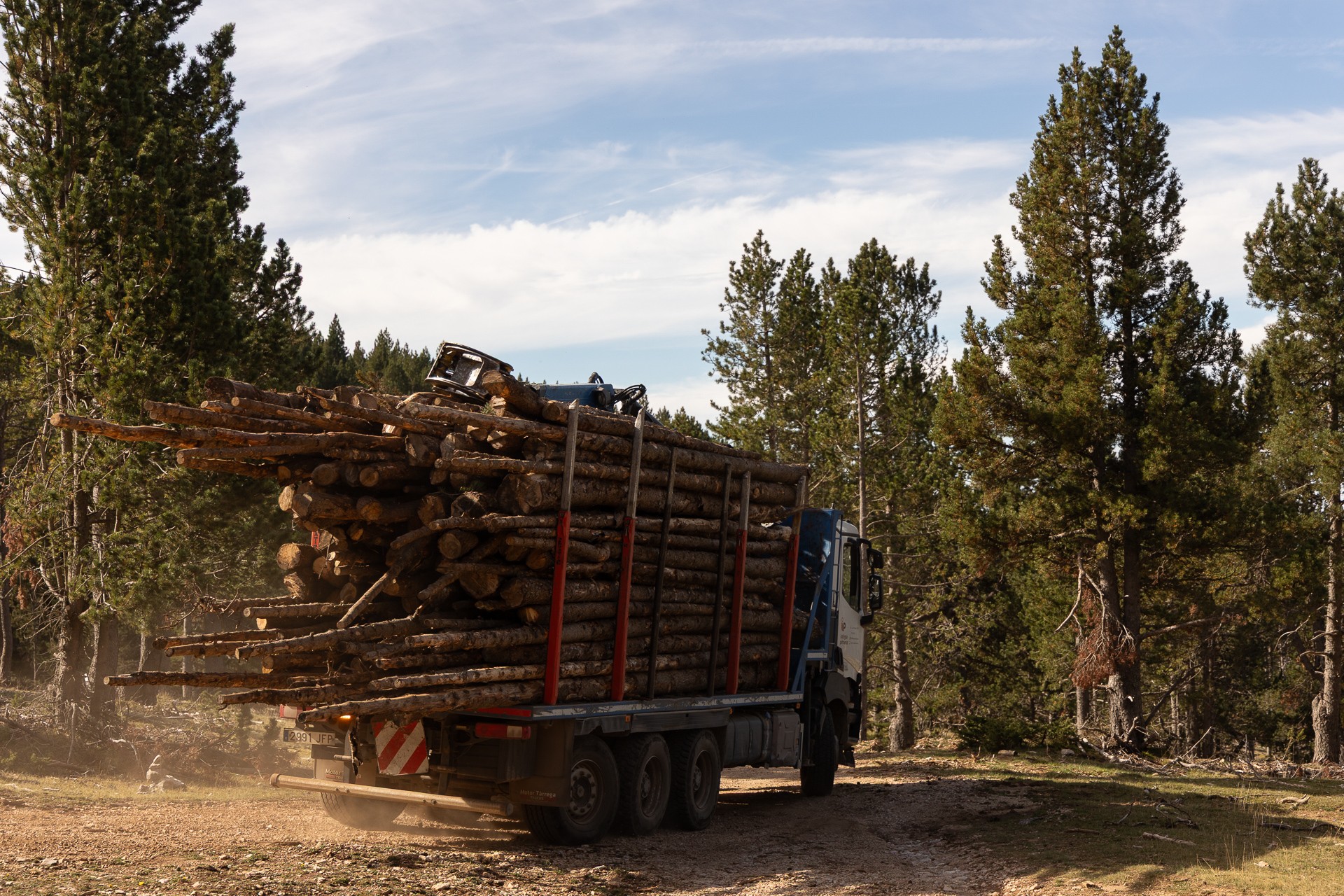
In the Pre-Pyrenees, rural depopulation has led to the abandonment of traditional landscape management, creating a critical scenario for extreme wildfires in the current context of climate change. BIO FOR PIRI aimed to address key factors in the prevention of extreme wildfires while promoting the social bioeconomy across the Pre-Pyrenean regions. The project was implemented in Alinyà-La Seu d’Urgell (Lleida) and Aínsa-Sobrarbe (Huesca).
The project came to an end in 2025, with the development of two strategic planning instruments. In Aínsa-Sobrarbe, a municipal wildfire prevention plan was drawn up to strengthen the resilience of the territory and local communities to the risk of large wildfires. In the Alinyà mountains, a fire regime restoration plan was developed, focusing on recovering the ecological role of fire through adaptive management strategies that help improve ecosystem resilience and reduce the severity of future wildfires.

Wild Pre-Pyrenees
Period: 2023-2025
Funding: Endangered Landscapes and Seascapes program
Coordination: Pau Costa Foundation
Website: Wild Pre-Pyrenees
In 2025, the Wild Pre-Pyrenees project came to an end, marking the completion of a conservation initiative focused on ecological restoration and landscape resilience in the western Catalan Pre-Pyrenees.
Throughout the project, Wild Pre-Pyrenees assessed the feasibility of restoring key ecological processes, including sustainable fire regimes, herbivory functions and hydrological dynamics, with the aim of strengthening landscape resilience to climate change.
A series of videos was also produced to raise the initiative’s profile and build public support. In addition, a restoration plan for the Western Catalan Pre-Pyrenees was developed, establishing a shared vision for the territory and identifying priority actions related to restoring fire regimes through prescribed burning and managed wildfires, promoting herbivory and restoring hydrological dynamics.